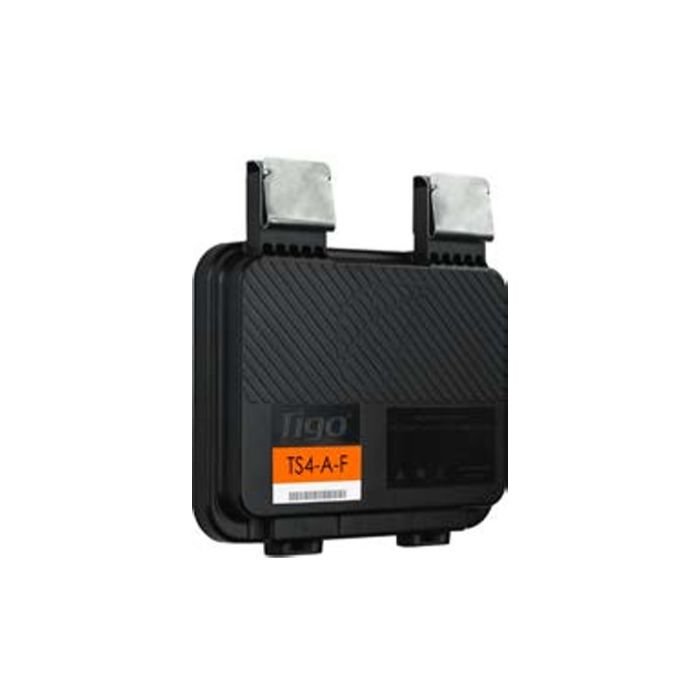
What it does—and where it belongs
Arc-fault protection and rapid shutdown solve different problems. AFCI detects characteristic arcing and may interrupt it; rapid shutdown reduces voltage outside or within the array boundary for responders. A product may support one or both.
Often integrated into the inverter or module-level electronics, with initiators, transmitters or shutdown devices distributed according to the certified system architecture.
What to check before you buy
System certification
Use only combinations approved by the inverter/shutdown manufacturer. Communication and interruption functions are system-level features.
Clear objective
Confirm whether the project requirement is arc detection, arc interruption, conductor voltage reduction or all of these.
Failure behaviour
Review what happens on communication loss, device failure, utility loss and manual emergency activation.
Service support
False trips and module-level failures require diagnostics, accessible replacement and locally available technical support.
Red flags in a quotation or site visit
- A generic module-level switch claims universal inverter compatibility
- AFCI and rapid shutdown are used as synonyms
- No commissioning test for the shutdown initiator
- Installers repeatedly bypass nuisance faults instead of finding damaged wiring
Commissioning checks to request
Ask the installer to verify
- All devices appear in the approved system compatibility list
- Emergency initiator is accessible and durably labelled
- Shutdown voltage/time performance is commissioned as required
- Arc-fault events produce a documented investigation, not automatic reset only
Common mistakes
- —Adding more connectors without controlling workmanship
- —Assuming electronics compensate for poor crimping or cable damage
- —Using a shutdown device as normal isolation
- —No plan for rooftop device replacement
A better quotation line item
PV safety system providing ___ (arc detection/interruption and/or rapid shutdown), maximum ___ V DC and ___ A per input, approved with inverter ___ and module-level device ___, defined fail-safe state, event indication and commissioning procedure to applicable IEC requirements.
This wording is a procurement prompt, not a final engineering specification. Values must come from the approved single-line diagram and equipment manuals.
Standards and sources checked
Test procedures for PV DC arc detection and optional interruption equipment.
Communication requirements for equipment that reduces the voltage of DC cables leaving a PV array.
Safety and functionality requirements for PV array earth-fault protection equipment.
PV array design requirements covering DC wiring, protection, switching and earthing.
Pakistan project note: ask the installer to confirm the current PSQCA-adopted standard, inverter instructions, earthing rules and the latest DISCO/NEPRA interconnection requirements applicable to your site.
Questions about AFCI / shutdown
Is AFCI the same as rapid shutdown?
No. AFCI addresses arcing faults; rapid shutdown reduces conductor voltage for emergency response. Some inverter ecosystems combine both, but the functions remain distinct.
Does rapid shutdown make rooftop DC completely safe?
No. It reduces defined conductor voltages under specified conditions, but modules and some local conductors can still be energised in daylight. Responders and technicians follow the system labels and procedures.