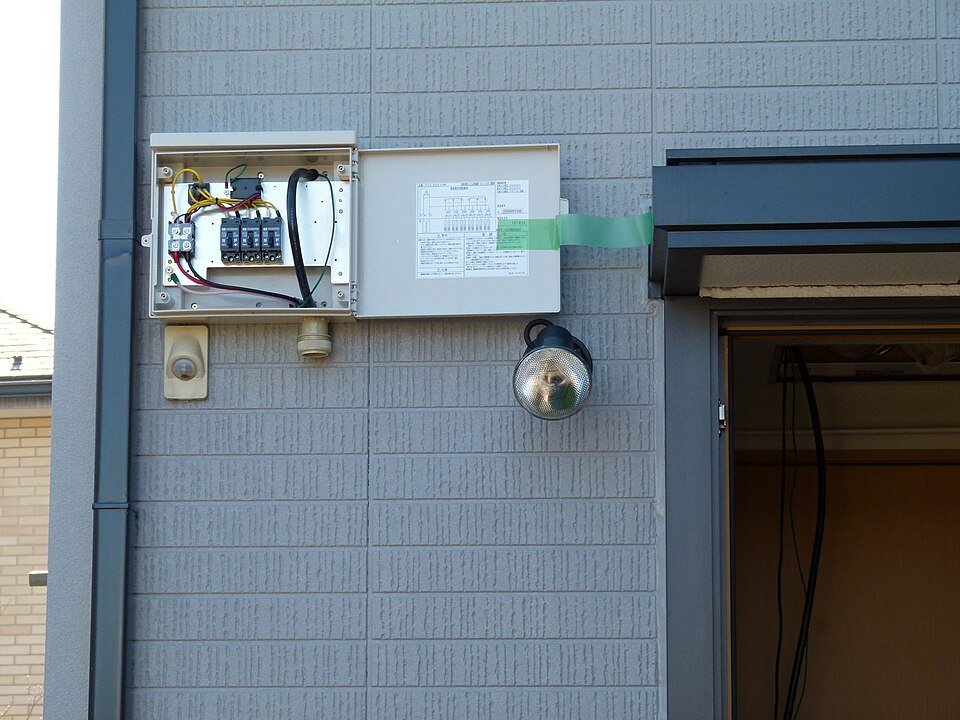
What it does—and where it belongs
A combiner is a verified assembly, not just a weatherproof plastic box. Its busbars, terminals, heat rise, clearances, protection devices and enclosure must work together at the full DC voltage and fault conditions.
Between multiple array strings and an inverter input, often close to the array to reduce home-run cabling. Small systems with separate inverter MPPT inputs may not need one.
What to check before you buy
Verified assembly
Ask for assembly-level design verification, component schedule, wiring diagram and thermal/current rating—not certificates for loose components only.
MPPT separation
Strings feeding different inverter trackers must not be accidentally paralleled inside a generic combiner.
Serviceability
Check touch-safe barriers, labelled string inputs, safe isolation, replaceable SPD modules and enough working space.
Outdoor durability
Review enclosure material, UV exposure, drainage, cable glands, condensation control and mounting orientation.
Red flags in a quotation or site visit
- No internal wiring diagram
- Brass terminal strips or busbars have no declared DC current rating
- Cable glands point upward without weather protection
- Every component has a logo but the completed box has no assembly verification
Commissioning checks to request
Ask the installer to verify
- Each string is labelled and connected to the correct MPPT group
- Cable entries maintain the enclosure rating
- SPD and protective-earth routing are short and direct
- Thermal scan and string-current balance are checked after commissioning
Common mistakes
- —Combining strings with different orientation or module count
- —Overfilling a small sealed enclosure
- —Leaving unused glands open
- —Assuming an IP number remains valid after poor drilling and gland work
A better quotation line item
PV combiner assembly for ___ strings into ___ outputs/MPPT groups, maximum ___ V DC and ___ A output, gPV protection ___, PV SPD Type ___, isolator ___, enclosure IP___/UV-rated, complete verified assembly to IEC 61439-8 with as-built diagram.
This wording is a procurement prompt, not a final engineering specification. Values must come from the approved single-line diagram and equipment manuals.
Standards and sources checked
Requirements and verification for low-voltage switchgear assemblies used in PV installations.
PV array design requirements covering DC wiring, protection, switching and earthing.
Product requirements and tests for SPDs dedicated to the DC side of PV systems.
Supplementary requirements for fuse-links protecting PV strings and arrays up to 1,500 V DC.
Pakistan project note: ask the installer to confirm the current PSQCA-adopted standard, inverter instructions, earthing rules and the latest DISCO/NEPRA interconnection requirements applicable to your site.
Questions about Combiner box
Does a home solar system always need a combiner box?
No. If strings connect directly to separate protected inverter inputs, a separate combiner may add no value. It becomes useful when strings are intentionally paralleled or central protection/monitoring is needed.
Is an IP65 plastic box automatically a safe combiner?
No. Ingress protection says little about DC clearances, heat rise, busbar current, fault withstand or component coordination.